What processing equipment is needed for the infrastructure construction of the offshore wind power industry?
- Share
- Issue Time
- Jul 9,2026
Summary
The infrastructure construction of offshore wind power is a precision manufacturing process that transforms steel plates into 100-meter-long "stabilizing anchors." The required processing equipment mainly falls into several categories: manufacturing, welding, testing, lifting and transportation, and surface treatment.
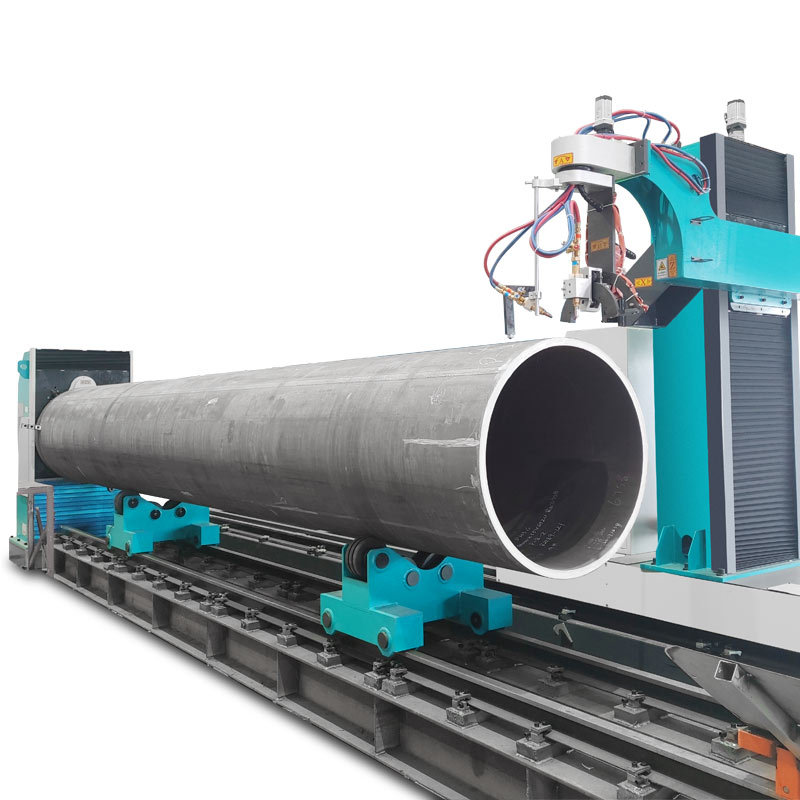
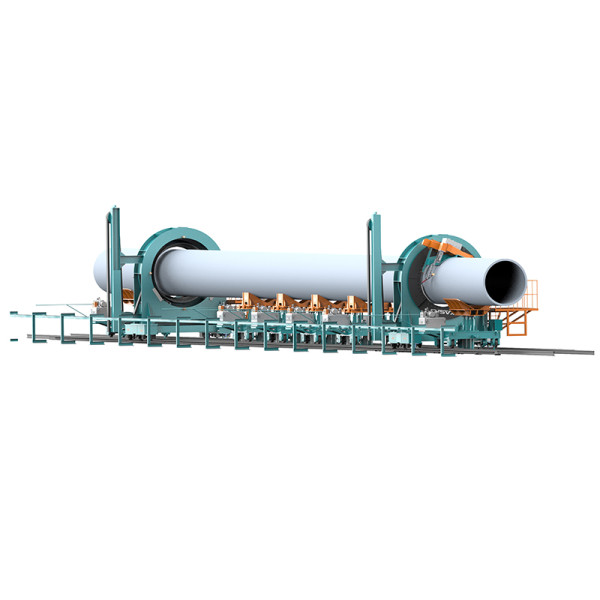
Offshore Double-end Cutting Machine High automation and cutting quality, featuring optimized nesting and multiple programming methods.
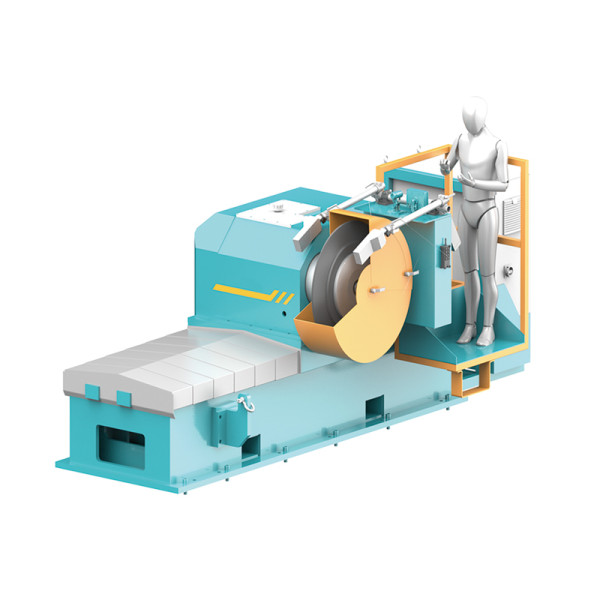
Designed for miling grooves of external welds at 4 o'clock on cyindrical and conical pipes. Automatic operation with work-piece di-can be upameter from 3000 to 15000 mm and length from 2000 to 4000 mm.
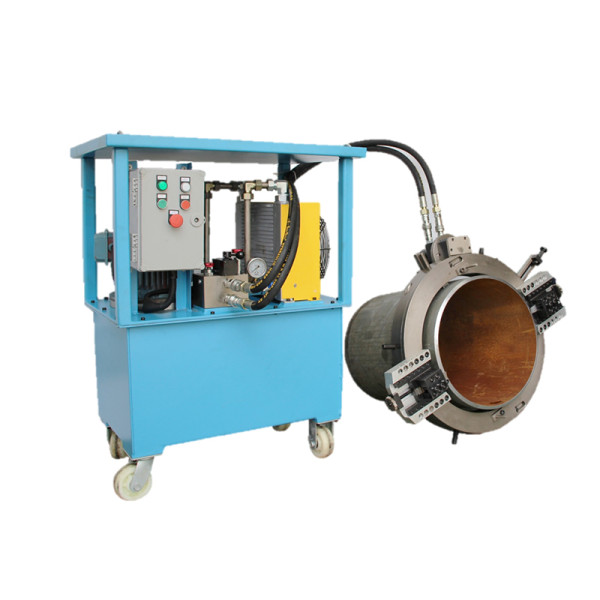
External card type Hydraulic cutting and beveling machine
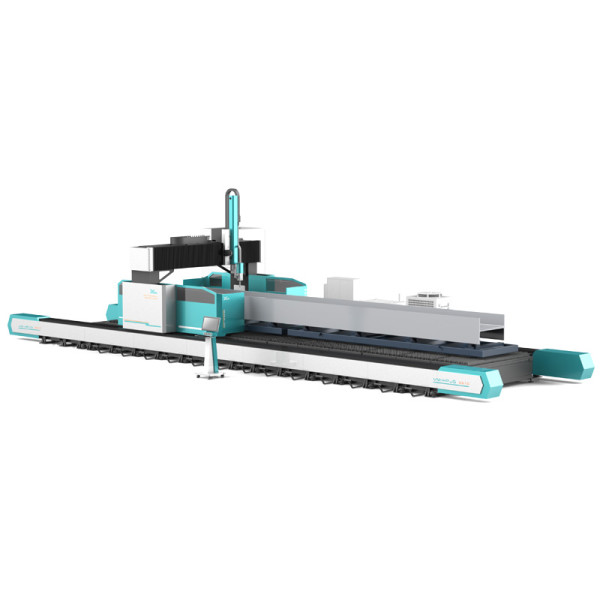
Gantry Laser Steel Cutting Machine
·Multi-function machine, economical and practical.
·Cutting process for all holes and section of H-beam.
·Can cut the steel plate and with bevel cutting.
Core Manufacturing and Processing Equipment: This type of equipment is crucial for constructing offshore wind power foundations (such as monopiles and jacket structures), responsible for forming steel plates and processing components.
Cutting Equipment: Used to cut thick steel plates into specific shapes as needed. This mainly includes CNC flame cutting machines and CNC plasma cutting machines.
Forming Equipment: Rolls the cut steel plates into huge cylinders (sections). The core equipment is a large/10,000-ton-class plate rolling machine, requiring extremely high processing accuracy (e.g., ±0.1%). Currently, leading equipment can process diameters up to 15-16 meters.
Machining Equipment: Used to process various precision components. Common examples include CNC lathes, vertical/horizontal machining centers, and gantry moving machining centers.
Welding Equipment: Used to weld rolled sections and individual components into shape. Main equipment includes automatic submerged arc welding machines, MCO welding machines, and intelligent welding robots.
Surface Treatment and Coating Equipment: Used for rust removal, corrosion protection, and spraying. Includes complete sandblasting equipment, zinc spraying equipment, and a complete painting workshop/line.
Heavy Lifting and Logistics Equipment: Since offshore wind turbine components are massive, their handling and assembly require large lifting and transportation equipment.
Crane: Includes large-tonnage gantry cranes (e.g., 800-ton, 1500-ton), heavy-duty crawler cranes (e.g., 150-ton, 650-ton), and truck cranes.
In-plant Transportation Equipment: Used for moving heavy components within the workshop, such as electromagnetic cranes, forklifts, tractors, and flatbed trucks.
Quality Inspection Equipment: To ensure safe service for over 20 years in harsh marine environments, rigorous inspection is required at every stage.
Non-destructive Testing Equipment: Such as ultrasonic flaw detectors, used to detect internal defects in welds.
Dimensional and Precision Inspection Equipment: Such as laser measuring instruments, used to inspect precision dimensions such as the roundness of rolled parts.
Welding Auxiliary Equipment: Such as welding trackers, used to ensure long welds do not deviate.
Specialized Construction and Offshore Installation Equipment: After the foundation components are manufactured in the onshore factory, specialized marine equipment is required for offshore transportation and installation.
Marine Transport Vessels: Including self-propelled deck barges (e.g., 10,000-ton class) and deck barges.
Offshore Construction and Installation Vessels:
Piling Vessels: Used to drive steel pipe piles into the seabed.
Floating Crane Vessels: Used for lifting large foundation structures.
Wind Turbine Installation Platforms: Self-elevating platform vessels used for the overall installation of wind turbines.
Specialized Construction Equipment:
Piling Hammers: Such as large hydraulic piling hammers.
Dredging Vessels: Used for seabed preparation.
In addition, well-equipped factories are typically equipped with environmental protection equipment such as exhaust gas treatment and sandblasting dust removal systems, as well as other auxiliary processing equipment such as heat treatment furnaces and hydraulic presses.
In summary, the construction of offshore wind power infrastructure is a highly specialized field, with its processing equipment covering the entire industrial chain from steel pretreatment to offshore installation, and it is developing towards ultra-large scale, high precision and intelligence.